Your first track day
Everyone remembers their first sighting lap. Here's how to spend the day learning instead of just surviving it — from what to pack to how to actually get faster.
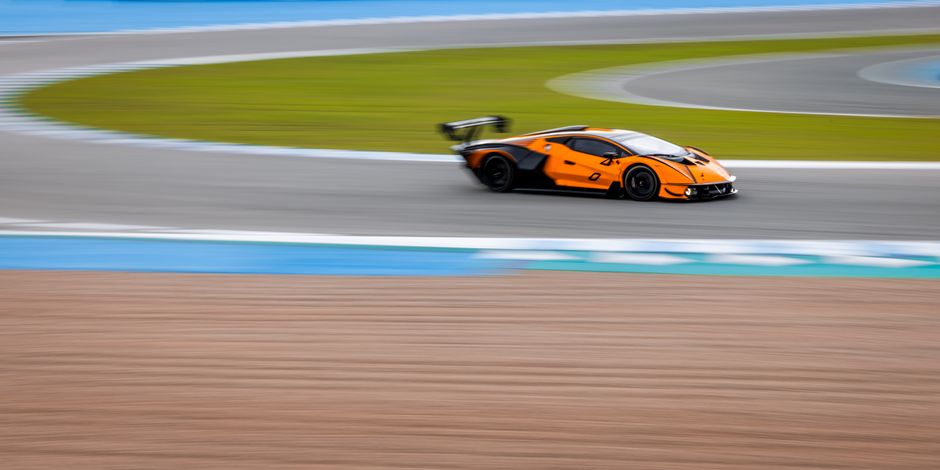
A track day is not a race. It's structured, sessioned running where the only person you're competing with is yesterday's version of yourself. Treat it that way and you'll come home faster, safer and completely hooked. Treat it as a race and you'll either scare yourself or bin the car in the first hour.
Booking and what to bring
Pick a novice-friendly day at a circuit with decent run-off, and book early — the good dates sell out. Then pack more than you think you need:
- A helmet to the required standard — many venues rent them if you don't own one yet.
- Long-sleeve top and trousers in natural fibre, plus proper closed shoes.
- Tyre pressure gauge, torque wrench, basic tools, tape and a marker pen.
- More water and food than you expect — concentration fades fast when you're hungry.
Prep the car like it matters
Because it does. The night before, work through the basics without rushing: tyres (condition, tread, correct pressures), brakes (pad thickness, a firm pedal, fluid that isn't years old), all fluid levels, and wheel torque. Empty the cabin completely — a loose water bottle becomes a missile under heavy braking. If anything is borderline, fix it before the day rather than in the paddock with the clock running.
Understanding run groups
Days are split by experience: novice, intermediate, advanced. Start in novice even if you think you're quick on the road — the road teaches nothing about a circuit. Sessions typically run around twenty minutes on, then a rest before your next one. Use that rest to let the car cool, drink, and pick one single thing to improve next time out.
On track: smooth first, fast later
Smoothness beats speed every session for the first year. Look far ahead, not at the bumper in front. Learn the flags before you go out — yellow means danger and no overtaking, blue means let a faster car by on the straights. Be predictable: hold your line, make your intentions obvious, and let quicker cars past without drama. Nobody fast respects a slow car that blocks.
Getting faster the right way
Pick reference points — a brake marker, a turn-in point, an apex kerb — and get consistent before you push. Speed comes from repeatable inputs, not heroics. If a session felt ragged, deliberately slow down and rebuild the rhythm rather than chasing a lap time you'll only throw away in the gravel.
After the day
- Re-torque the wheels once they've cooled.
- Check pad and tyre wear before you drive home.
- Write down one concrete thing to fix or try next time.
- Sleep on the adrenaline before you buy anything for the car.
Brand new to all of this? Start in a kart first — it's cheaper and teaches more, faster.