The safety checklist we run every time
Speed is optional. The checklist is not. None of this is glamorous, and all of it is why people go home happy — and in one piece.
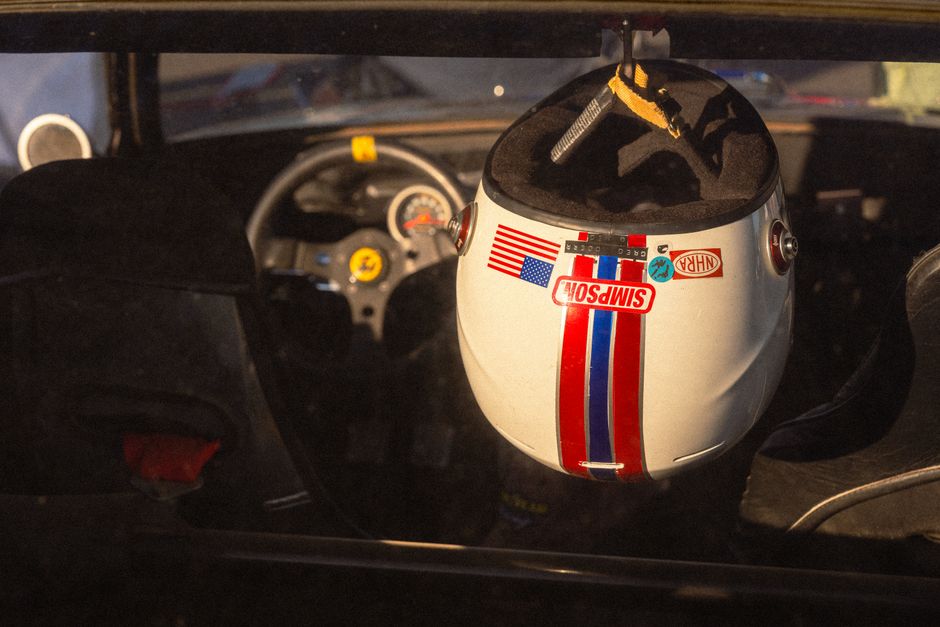
Motorsport is as safe as the habits you bring to it. The genuinely fast drivers aren't the reckless ones — they're the ones who've made safety automatic, so their attention is free for the actual driving. Here's the routine worth making automatic too, long before you're chasing lap times.
The car
- Tyres: condition, tread and correct hot pressures. No cracks, no exposed cords, no guesswork.
- Brakes: pad thickness, a firm pedal, and fluid that isn't years old — heat finds tired fluid fast, usually at the worst moment.
- Fluids and fixings: oil and coolant to level, wheel nuts to torque, nothing weeping or working loose.
- Cabin: completely empty. A water bottle, a phone, loose change — anything unsecured is a projectile under braking.
The driver and the gear
A helmet to the current required standard, fitted snugly — a loose helmet protects far less than a tight one. Arms and legs covered in natural fibre, proper closed footwear, and gloves if you have them. If your venue requires a specific helmet standard or a harness, meet it exactly; "close enough" is not a safety rating, and marshals will (rightly) turn you away.
Track etiquette and flags
Most incidents between cars come from unpredictability, not raw speed. Learn the flags cold before you go out: yellow (danger ahead, no overtaking), blue (a faster car is behind, let it by), red (stop, the session is over). Hold your line, make your moves obvious and early, and always leave room. Being predictable is itself a safety feature.
The mindset
Tired or angry is a reason to sit a session out, not push through. Drive within your own limit, not the car ahead's. The track will still be there next month, and a good judgement call today is exactly why. When something feels off — the car, the conditions, or you — back off and check rather than hope. About this guide.