Why every racer should start in a kart
There is no faster way to learn where the limit is than a kart, because it tells you the truth instantly and cheaply — with none of the electronics a modern car hides behind.
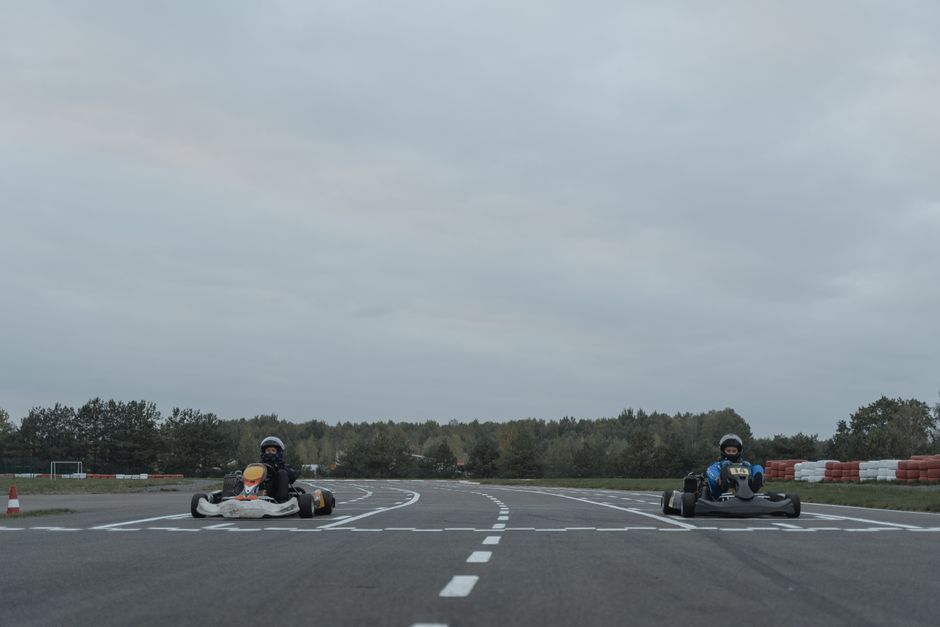
Ask almost any professional driver where they learned racecraft and the answer is a kart. It's not nostalgia — a kart strips racing down to its fundamentals and gives instant, honest feedback on every input. Get greedy with the throttle and you understeer wide; brake too late and you're just a passenger. The lesson lands in the same corner you made the mistake, which is exactly why it sticks.
It teaches the fundamentals
No traction control, no ABS, no power steering to mask what your hands are doing. Braking points, apex, throttle on exit — a kart rewards precision and punishes greed immediately. You learn to feel weight transfer, to be smooth, and to carry momentum instead of leaning on power. Those habits transfer directly to anything with four wheels and a steering wheel.
The ways to get started
Arrive-and-drive
Rental karts at an indoor or outdoor track. No ownership, no van — just book and drive. The cheapest way to build real seat time.
Owner-driver
Your own kart and engine. More cost and maintenance, but consistent equipment you can actually develop and learn with.
Club racing
Cheap grids and real, wheel-to-wheel racecraft against other people — the part no simulator can teach you.
What it costs
An arrive-and-drive session costs about the same as a nice meal out. Owning and racing a kart costs more — consumables, tyres, entry fees — but it's a fraction of car motorsport, and the maintenance teaches you as much as the driving. As a way to learn per pound spent, nothing else comes close.
How to progress
Start with regular rental sessions to build consistency, then try an arrive-and-drive race or an endurance event to learn racing under pressure and in traffic. Once you're consistently quick and, more importantly, clean, a club class is the natural next step. Whatever you end up driving, read the safety basics first.